The AEO Playbook 2026: Answer Engine Optimization Strategies for iGaming and High-Competition Brands
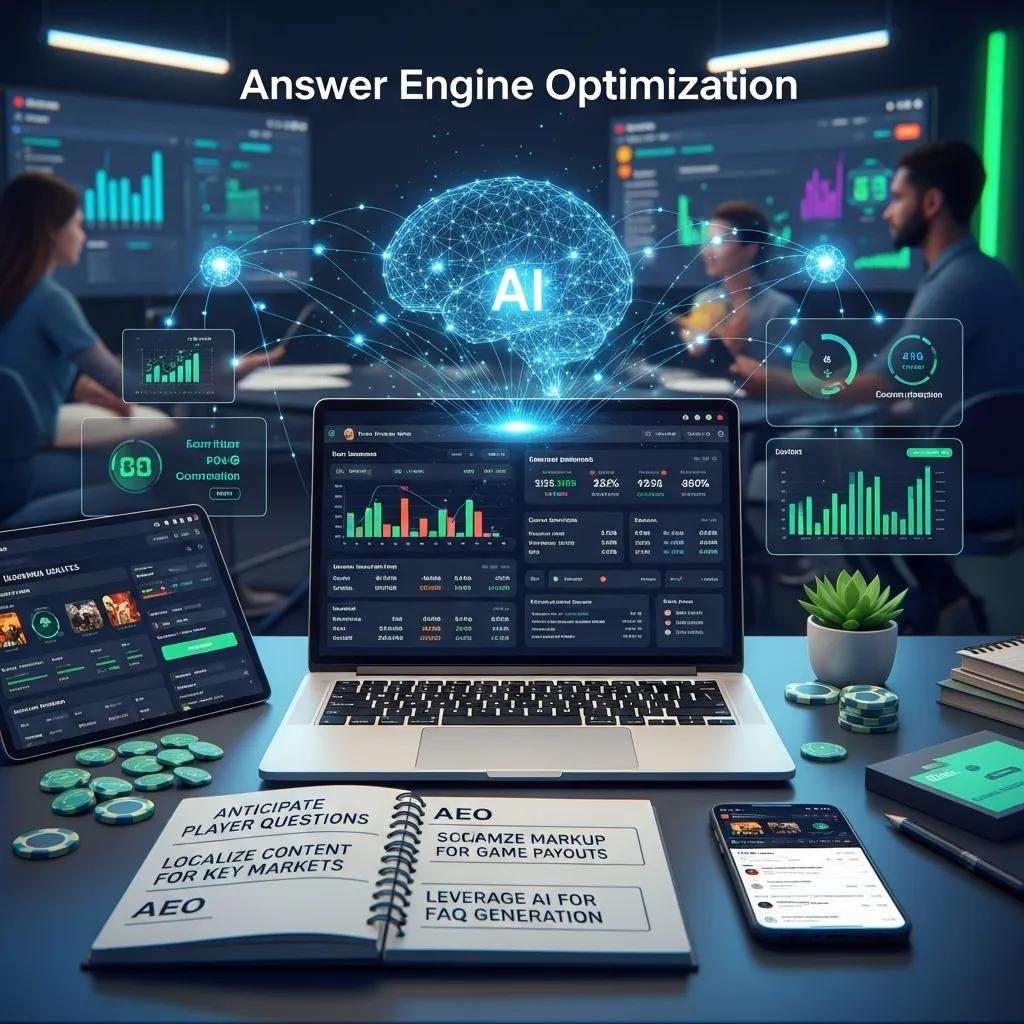
In the rapidly evolving landscape of digital marketing, Answer Engine Optimization (AEO) has emerged as a critical strategy for brands, particularly in the iGaming sector. This article delves into the AEO Playbook for 2026, focusing on advanced strategies that leverage artificial intelligence (AI) and large language models (LLMs) to enhance visibility and engagement. Readers will learn how to optimize their content for AI-driven search engines, ensuring that their brands stand out in a competitive market. As the demand for precise and relevant information grows, understanding AEO becomes essential for brands aiming to connect with their audience effectively. This guide will cover key topics, including AI and LLM SEO techniques, technical SEO audits, and conversion rate optimization strategies tailored for iGaming brands.
AI and LLM SEO Techniques for iGaming
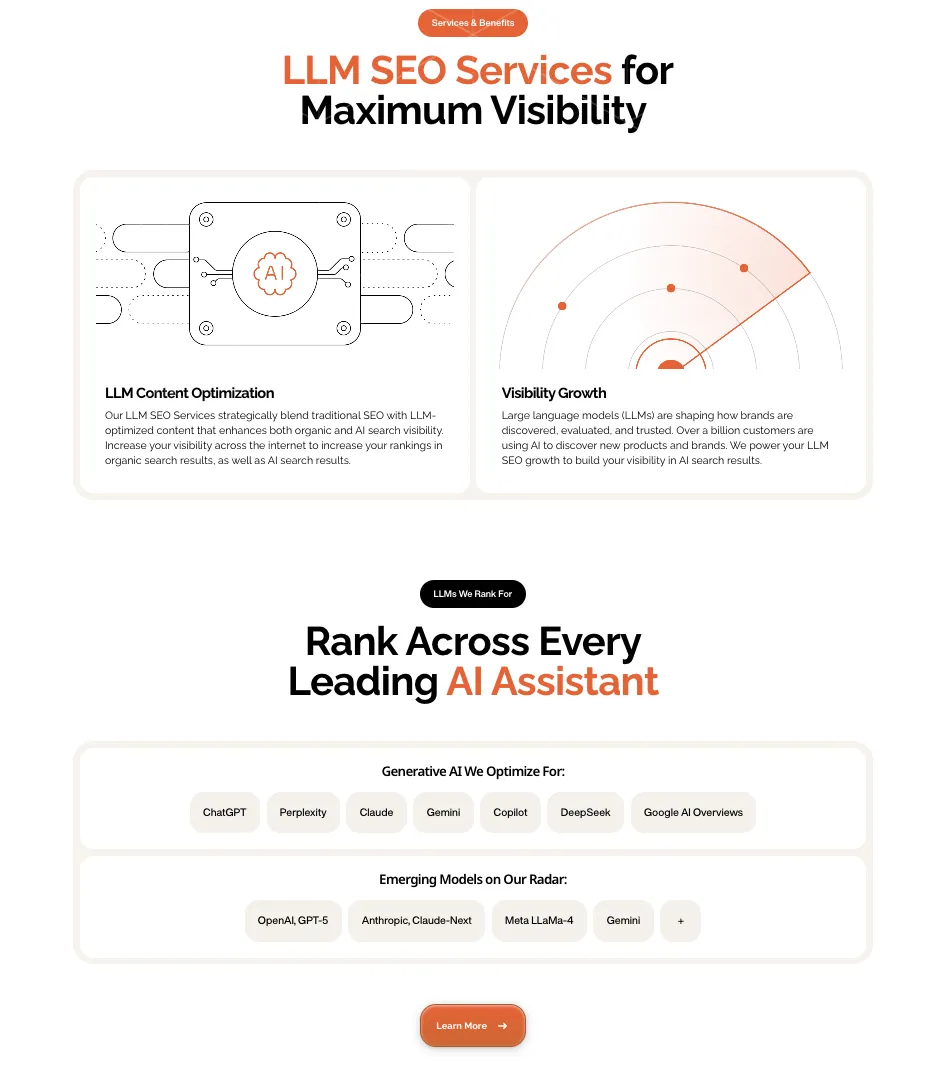
AI and LLMs are revolutionizing the way SEO is approached, particularly in high-competition sectors like iGaming. These technologies enable brands to analyze vast amounts of data, identify user intent, and create content that resonates with their target audience. By utilizing AI-driven insights, brands can enhance their content strategies, ensuring they meet the evolving demands of search engines and users alike.
The integration of AI in SEO allows for more personalized user experiences, which can significantly improve engagement rates. For instance, AI can help in predicting user behavior, enabling brands to tailor their content accordingly. This proactive approach not only enhances user satisfaction but also boosts search engine rankings, making it a vital component of any modern SEO strategy. Additionally, businesses can explore AI search optimization services to further refine their presence in AI-augmented search environments.
The application of LLMs extends to various facets of SEO, including technical aspects, content, and code generation, as explored in studies focusing on e-commerce.
LLMs for E-commerce SEO: Content, Code, and AI Integration
The paper discusses how Large Language Models (LLMs) can be used in search engine optimization activities dedicated to e-commerce. In the first part the most important Search Engine Optimization (SEO) issues are discussed, such as technical SEO aspects, keyword selection, and content optimization. Then the study presents an in-depth look at OpenAI’s advancements, including ChatGPT and DALL-E. The latter sections describe the capabilities of Large Language Models into the realm of SEO, particularly in e-commerce. Firstly, a set of prompts for LLMs that can be used to create content and HTML code for online shops is proposed. Then advantages, and drawbacks of incorporating LLMs in SEO for e-commerce are presented. The research concludes by synthesizing the potential of merging AI with SEO practices, offering insights for future applications.
Lar
ge language models for search engine optimization in e-commerce, G Chodak, 2023
The Role of AI in Content Creation
AI plays a pivotal role in content creation by streamlining the process and enhancing quality. With tools that analyze trending topics and user preferences, brands can generate content that is not only relevant but also optimized for search engines. This ensures that the content is more likely to be discovered by users searching for specific information. For marketing teams looking to leverage AI more effectively, insights into llm-seo-marketing-solutions-for-ai-driven-search offer practical approaches to integrate these technologies into SEO workflows.
Further research highlights how advanced LLM frameworks can automate and optimize content generation in real-time for SEO purposes, leveraging dynamic data and Retrieval-Augmented Generation.
Real-Time SEO Content Generation with LLMs & RAG
The rapid evolution of journalism and search engine optimization (SEO) demands timely, high-quality content generation, a task challenged by the inherent static nature of large language models (LLMs). This research introduces an innovative automated framework that enhances LLMs for real-time, SEO-optimized article production by integrating dynamic data acquisition, Retrieval-Augmented Generation (RAG), and advanced natural language processing. The methodology employs Selenium for browser automation to extract top-ranking Google search results for a target keyword, followed by Scrapy-based scraping to collect and structure article data, removing extraneous elements like URLs. A sentence transformer model generates paragraph embeddings, indexed in a FAISS database for efficient semantic retrieval using K-Nearest Neighbors. Meta’s LLaMA 3 analyzes scraped article structures to create SEO-aligned outlines, including titles, headings, and subheadings. Retrieved paragraphs inform prompt-engineered content generation for each section, leveraging real-time insights. The resulting articles undergo multi-faceted evaluation: retrieval accuracy, content quality, and SEO effectiveness and human reviewers ensure readability and relevance. This scalable pipeline overcomes LLM limitations, delivering contextually relevant, optimized content aligned with current trends, and offers a robust solution for automated journalism and digital marketing.
Enhancing Large Language Models for Real-Time, SEO-Optimized Article Generation, 2025
Enhancing User Engagement with LLMs
Large language models can significantly enhance user engagement by providing more accurate and contextually relevant responses to queries. By understanding the nuances of language and user intent, LLMs can help brands create content that addresses specific user needs, leading to higher engagement and conversion rates. Businesses interested in how these capabilities translate to influencing buyer decisions may find value in exploring studies on llm-modeling-for-buyer-influence.
Technical SEO Audits and Semantic Architecture
Conducting technical SEO audits is essential for identifying areas of improvement within a website's architecture. These audits help ensure that a site is optimized for search engines, enhancing its visibility and performance. A well-structured semantic architecture allows search engines to understand the content better, improving indexing and ranking.
Steps in Conducting a Technical SEO Audit
- Crawl the Website: Use tools to crawl the site and identify issues such as broken links, duplicate content, and missing meta tags.
- Analyze Site Speed: Evaluate the loading speed of the site, as this is a critical factor for both user experience and SEO.
- Check Mobile Responsiveness: Ensure that the site is mobile-friendly, as a significant portion of users access content via mobile devices.
Benefits of Semantic Architecture
Semantic architecture enhances the way content is organized and presented on a website. By structuring content in a way that reflects its meaning, brands can improve their chances of ranking higher in search results. This approach not only aids search engines in understanding the content but also provides users with a more intuitive navigation experience. Companies transitioning from traditional SEO approaches toward modern techniques should consider resources on seo-to-ai-centric-optimization to better align their architecture with AI's evolving role in search.
| Strategy | Attribute | Value |
|---|---|---|
| Technical SEO Audits | Frequency | Quarterly |
| Semantic Architecture | Key Benefit | Improved indexing |
| Content Optimization | Focus | User intent |
This table illustrates the importance of regular technical SEO audits and the benefits of implementing a robust semantic architecture.
Conversion Rate Optimization in iGaming

Conversion rate optimization (CRO) is crucial for iGaming brands looking to maximize their return on investment. By aligning content with user intent and incorporating trust signals, brands can significantly enhance their conversion rates.
Aligning Content with User Intent
Understanding user intent is fundamental to creating content that converts. Brands must analyze the needs and preferences of their target audience to develop content that resonates with them. This alignment not only improves user satisfaction but also increases the likelihood of conversions.
Importance of Trust Signals
In the iGaming industry, trust is paramount. Incorporating trust signals such as user reviews, testimonials, and secure payment options can significantly enhance credibility. Brands that prioritize transparency and user security are more likely to convert visitors into loyal customers.
- User Reviews: Displaying authentic user reviews can build trust and encourage new users to engage with the brand.
- Secure Payment Options: Offering secure payment methods reassures users about the safety of their transactions.
- Transparent Policies: Clear and accessible policies regarding privacy and refunds can enhance user confidence.
These strategies collectively contribute to a more effective conversion rate optimization approach, ensuring that iGaming brands can thrive in a competitive landscape.
Conclusion
The AEO Playbook for 2026 emphasizes the importance of integrating advanced SEO strategies, particularly those driven by AI and LLMs, to enhance visibility and engagement in the iGaming sector. By conducting thorough technical SEO audits and optimizing content for user intent, brands can significantly improve their performance in search engines. As the digital landscape continues to evolve, staying ahead of the curve with these strategies will be essential for success.